
On this page
Replacing or upgrading your windows and doors is one of the most impactful home improvements you can undertake. Not only do they dramatically affect your property's kerb appeal, but they also play a crucial role in energy efficiency, security, and comfort. With the average UK household spending between £3,000 and £10,000 on window and door replacements, it's essential to make informed decisions that will serve you well for decades to come.
Understanding UK Building Regulations and Standards
Before diving into materials and styles, it's crucial to understand the regulatory framework governing window and door installations in the UK. All replacement windows and doors must comply with Building Regulations Part L (Conservation of Fuel and Power), which sets minimum energy efficiency standards.
Look for products with a BFRC (British Fenestration Rating Council) energy rating of at least 'C', though 'A' or 'A+' rated windows offer superior thermal performance and long-term energy savings. The BFRC label provides clear information about energy efficiency, similar to appliance energy labels you're already familiar with.
For security, ensure your chosen products meet PAS 24:2016 standards, which test resistance to forced entry. Additionally, any installer you choose should be registered with a competent person scheme such as FENSA, CERTASS, or be able to arrange Building Control approval. This registration ensures compliance and provides you with insurance-backed guarantees.
Choosing the Right Material: uPVC, Aluminium, or Timber?
The material you select will significantly impact appearance, maintenance requirements, longevity, and cost. Each option has distinct advantages suited to different homes and budgets.
uPVC Windows and Doors
uPVC remains the most popular choice in the UK, accounting for approximately 75% of the replacement window market. Modern uPVC products from manufacturers like Rehau, Deceuninck, and Liniar bear little resemblance to the plastic-looking windows of the 1980s.
Advantages: Excellent thermal efficiency, low maintenance (no painting required), cost-effective, and available in various colours and finishes including realistic woodgrain effects. Quality uPVC windows typically last 20-25 years.
Considerations: Can look less authentic on period properties, colour options can fade over time (particularly darker shades), and they cannot be repaired as easily as timber if damaged.
Aluminium Windows and Doors
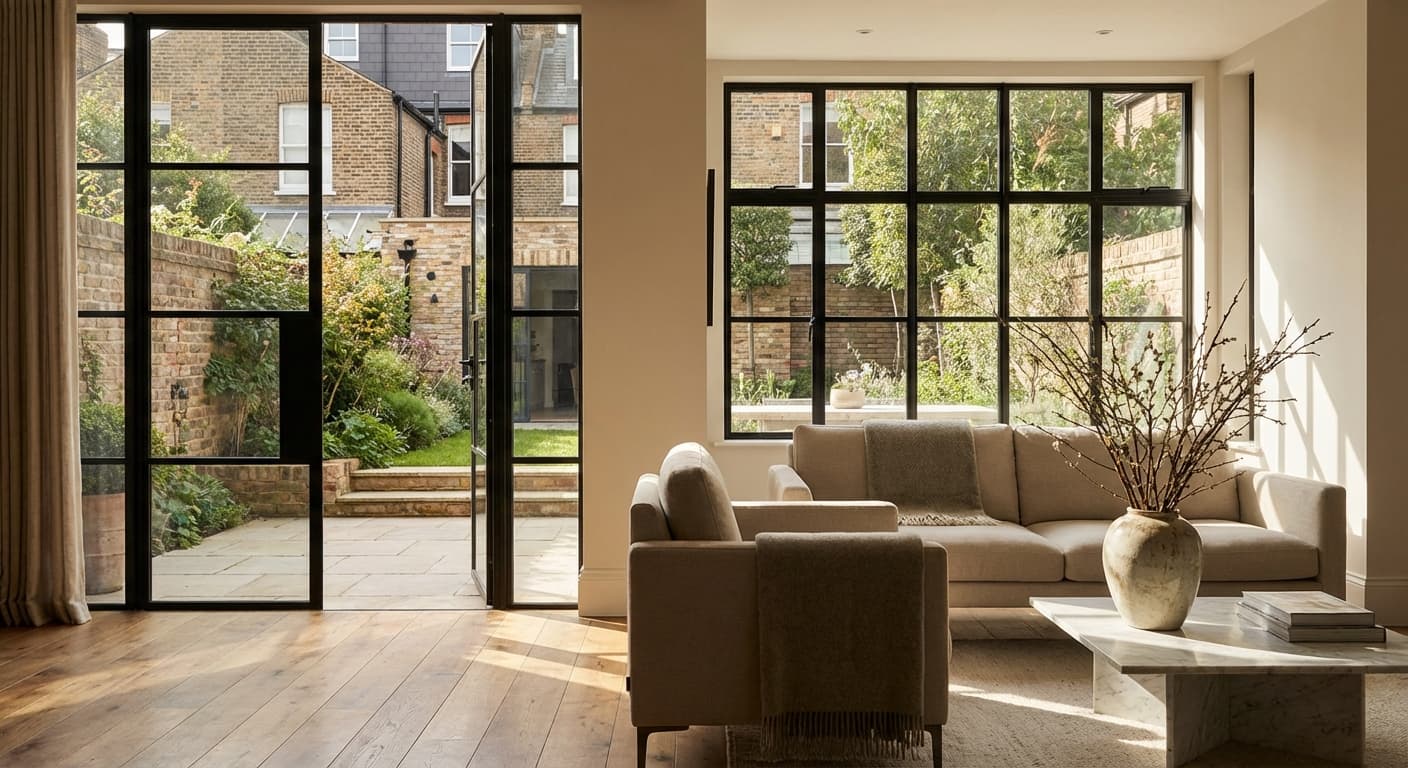
Once associated with draughty single-glazed frames, modern aluminium products feature thermal breaks and offer exceptional performance. Brands like Schüco, Smart Systems, and Origin are particularly well-regarded in the UK market.
Advantages: Extremely slim sightlines creating a contemporary aesthetic, exceptionally strong allowing for larger panes and bi-fold configurations, virtually maintenance-free, and available in any RAL colour. Aluminium frames can last 45+ years.
Considerations: Typically 20-30% more expensive than equivalent uPVC, and whilst modern thermally-broken aluminium performs well, it generally doesn't quite match the insulation properties of uPVC or timber.
Timber Windows and Doors
For period properties or homeowners seeking authentic character, timber remains unmatched. Accoya and sustainably-sourced hardwoods offer excellent durability.
Advantages: Authentic appearance essential for listed buildings and conservation areas, excellent natural insulation, can be repaired and refinished, and provides timeless aesthetic appeal.
Considerations: Requires regular maintenance (repainting every 5-8 years), higher initial cost, and requires specialist installation to prevent issues with swelling or warping.
Glazing Options: Beyond Double Glazing
Whilst double glazing is now standard, the specification of the glass unit itself significantly impacts performance. Modern glazing typically features a 20mm or 28mm cavity between panes, filled with argon gas for enhanced insulation.
Triple glazing is becoming increasingly popular in the UK, offering U-values as low as 0.8 W/m²K compared to 1.4-1.6 W/m²K for standard double glazing. However, the additional cost (typically 20-40% premium) may take many years to recoup through energy savings in the UK's relatively mild climate.
Consider these glazing enhancements:
- Low-E (low-emissivity) coatings: Reflects heat back into your home, now standard on most quality windows
- Acoustic laminated glass: Particularly valuable if you live near busy roads, reducing noise by 3-5 decibels
- Toughened or laminated safety glass: Required by Building Regulations in certain 'critical locations' like doors and low-level windows
- Self-cleaning glass: Coatings that use UV light and rainwater to break down dirt, reducing maintenance
Security Features Worth Considering
With a burglary occurring every 108 seconds in the UK, security should be a top priority. Modern windows and doors offer significantly better protection than products from even ten years ago.
Essential security features include:
- Multi-point locking systems: Engaging at three or more points when locked, now standard on quality doors
- Shootbolt locks on windows: Extending into the frame at top and bottom
- Anti-snap, anti-drill, and anti-bump cylinders: Particularly important for composite and uPVC doors
- Laminated glass: Much harder to break through than standard glazing
- Secured by Design certification: Police-approved products meeting enhanced security standards
Remember that insurance companies increasingly require windows and doors to meet specific security standards, so verify requirements with your provider before purchasing.
Finding the Right Installer and Avoiding Pitfalls
Even the highest-quality windows and doors will underperform if poorly installed. Approximately 60% of window-related problems stem from installation issues rather than product defects.
Follow these guidelines when selecting an installer:
- Obtain at least three detailed written quotations, ensuring they're comparing like-for-like specifications
- Verify FENSA, CERTASS, or equivalent registration and request to see certificates from recent installations
- Check reviews on independent platforms like Checkatrade or Trustpilot, being wary of companies with only website testimonials
- Ensure insurance-backed guarantees are included (typically 10 years for the installation)
- Never pay the full amount upfront—a 10-20% deposit is reasonable, with balance due on satisfactory completion
- Be cautious of high-pressure sales tactics or quotes that expire within 24 hours
If you're replacing windows in a property built before 1900, or in a conservation area, consult your local planning authority first. Listed building consent may be required, and there may be restrictions on materials and styles.
Making Your Investment Count
Quality windows and doors represent a significant investment that should enhance your home for 20-40 years. By understanding UK regulations, carefully selecting appropriate materials for your property type, and choosing reputable installers, you'll ensure your new windows and doors provide excellent energy efficiency, security, and aesthetic appeal.
Remember that whilst cost is important, the cheapest quote rarely represents the best value. Focus on quality products, proper installation, and comprehensive guarantees to protect your investment and enjoy the full benefits of your new windows and doors for decades to come.
This article was created with AI assistance and reviewed by the HouseJester editorial team for accuracy and relevance.
Written by
HouseJester Editorial
Editorial Team
The HouseJester editorial team brings together specialists in furniture, interior design, and home improvement to provide trusted guidance for UK homeowners.