
On this page
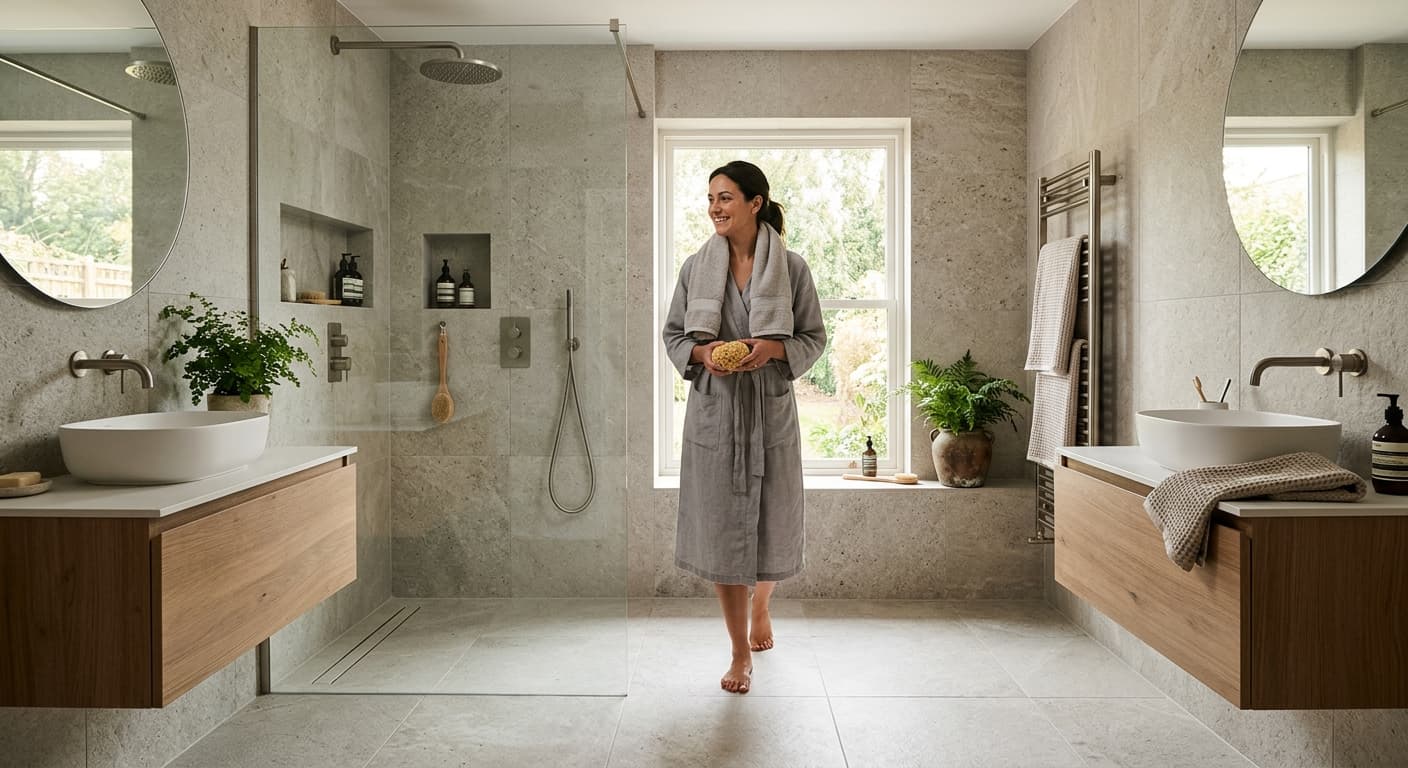
British bathrooms are undergoing their most significant transformation in a decade. The rise of accessible, minimalist design has made wet rooms the fastest-growing trend in UK home improvements, and if you're considering a renovation, this wet room installation guide will help you navigate the current landscape of bathroom design, costs, and practical considerations.
Key Takeaways
- Wet rooms now account for 28% of bathroom renovations in the UK, up from 14% in 2020, driven by accessibility needs and minimalist aesthetics
- Average bathroom renovation costs range from £3,500 to £7,000 for a standard refurb, with wet rooms typically adding £1,500–£3,000 to the total
- Underfloor heating has become standard in modern bathrooms, costing £600–£1,200 for installation and adding genuine resale value
- Large-format tiles (600×1200mm and above) are replacing traditional small tiles, making spaces feel larger and reducing grout lines
- Smart technology integration—from digital showers to heated mirrors with demister pads—is no longer premium but expected
The Wet Room Revolution: What's Driving the Trend
Wet rooms have moved from niche luxury to mainstream choice. We've seen this shift accelerate dramatically since 2022, particularly among homeowners aged 45-65 planning to age in place. The elimination of shower trays and screens creates a seamless, hotel-like aesthetic that also happens to be wheelchair accessible.
The statistics tell the story. According to the Federation of Master Builders, enquiries for wet room installations increased by 73% between 2021 and 2023. Our directory data from bathroom specialists across the UK shows particularly strong demand in London, Manchester, and Birmingham, where space constraints make open-plan bathroom designs especially appealing.
The practical benefits extend beyond aesthetics. Wet rooms are easier to clean, completely eliminate awkward shower cubicle access, and increase property value—estate agents consistently report that modern wet rooms add 3-5% to asking prices in competitive markets.
Wet Room vs Walk-In Shower: Pros and Cons
The debate between wet rooms and walk-in showers dominates bathroom planning discussions. Here's what we've learned from working with UK tradespeople and homeowners:
Wet rooms feature a completely open, fully tanked space with a flush floor drain. Water flows across the entire floor, which slopes gently (typically 1:40 gradient) towards the waste. They require meticulous waterproofing of floors, walls, and often the entire room envelope. Installation costs run £2,500–£5,000 depending on room size and specification.
Walk-in showers use a low-profile tray (usually 25-40mm high) with a glass screen creating a designated shower zone. They're less complex to install, typically costing £1,200–£2,800, and contain water more effectively in rooms with poor ventilation.
The wet room vs walk-in shower pros cons breakdown:
- Installation complexity: Wet rooms require structural floor work, tanking membranes, and precise falls—walk-in showers are considerably simpler
- Water containment: Walk-in showers keep moisture localised; wet rooms need excellent ventilation (minimum 15 litres/second extraction)
- Accessibility: Wet rooms win decisively for wheelchair users or those with mobility challenges
- Space perception: Wet rooms make small bathrooms feel dramatically larger; walk-in showers offer less visual impact
- Resale appeal: Both add value, but wet rooms appeal more strongly to buyers aged 55+
Do I Need a Wet Room Specialist?
Yes, unequivocally. Standard bathroom fitters may lack the tanking expertise wet rooms demand. We've documented too many failed installations where general builders attempted wet rooms without proper training in waterproofing systems.
Look for installers certified in tanking systems from manufacturers like BAL, Mapei, or Schluter. The Bathroom Manufacturers Association recommends checking credentials carefully. According to Which?, approximately 40% of wet room failures stem from inadequate waterproofing during installation—a problem that may not manifest for 12-18 months.
Expect to pay 20-35% more for specialist wet room installation compared to standard bathroom fitting. This premium typically means £500–£1,200 extra in labour costs, but it's essential insurance against catastrophic water damage.
Small Bathroom Design Ideas With Shower
Space constraints define most UK bathroom renovations. The average British bathroom measures just 2.3×2.1 metres, making every centimetre count. We've identified several small bathroom design ideas with shower configurations that maximise perceived space:
Corner wet rooms utilise the most awkward space in compact bathrooms. By positioning the drain in a corner and creating a diagonal fall, you preserve usable floor area while achieving the wet room aesthetic. This works brilliantly in rooms as small as 1.8×1.5 metres.
Wall-hung sanitaryware eliminates floor-standing toilets and basins, creating continuous floor lines that make rooms feel substantially larger. Geberit and Grohe systems have become increasingly affordable, with complete wall-hung suites available from £600 at Wickes and Homebase.
Niche storage carved into stud walls eliminates protruding shelving units. These recessed alcoves (typically 100-150mm deep) cost £80–£150 to create during renovation and provide shower storage without encroaching on floor space.
Sliding pocket doors reclaim the swing space traditional doors consume. A pocket door system adds £350–£600 to renovation costs but returns approximately 0.4 square metres of usable floor area—significant in a 5-square-metre bathroom.
Best Bathroom Tiles for Small Spaces
Tile selection dramatically influences perceived room size. Current trends have shifted decisively towards larger formats, reversing decades of small-tile dominance in British bathrooms.
The best bathroom tiles for small spaces in 2024:
- Large-format porcelain (600×1200mm or 800×1600mm) reduces grout lines, creating uninterrupted visual planes. Brands like Porcelanosa and British Ceramic Tile offer excellent ranges from £35–£65 per square metre
- Wood-effect planks in 200×1200mm format add warmth without sacrificing the space-enhancing benefits of linear patterns. Run these horizontally to widen narrow rooms or vertically to increase perceived ceiling height
- Pale stone-effect tiles in 600×600mm format provide subtle natural variation without the visual clutter of smaller mosaics. Limestone and travertine effects remain popular, typically £28–£45 per square metre from Topps Tiles or CTD
- Hexagonal tiles are fading fast—they felt fresh in 2019 but now look dated. We're seeing them specified in just 8% of new projects, down from 34% three years ago
Matt finishes have comprehensively defeated gloss. Glossy tiles now appear in fewer than 15% of contemporary bathroom specifications. The softer light reflection of matt surfaces creates more sophisticated, less clinical spaces.
How Much Does a Bathroom Renovation Cost in the UK?
Pricing transparency remains frustratingly inconsistent in the bathroom industry. Based on data from businesses in our company directory, here are realistic 2024 costs:
Budget refresh (£1,500–£3,500): Like-for-like replacement of suite, simple tiling, basic fixtures. DIY-friendly if you're competent. Professional fitting takes 5-7 days.
Standard renovation (£3,500–£7,000): New suite, full re-tiling, updated lighting, basic underfloor heating. Requires qualified plumber and tiler. Duration: 7-10 days.
Premium transformation (£7,000–£15,000): Wet room or high-spec walk-in shower, stone or large-format tiles, concealed cistern, wall-hung sanitaryware, comprehensive lighting scheme, heated towel rail, quality brassware. Duration: 10-15 days.
Luxury installation (£15,000+): Bespoke joinery, premium stone surfaces, designer fixtures, integrated audio, smart shower systems, professional lighting design. Duration: 15-20+ days.
London pricing typically runs 25-40% higher than regional rates. A standard renovation costing £5,000 in Leeds might reach £7,000 in the capital.
The question how much does a new bathroom cost UK depends heavily on specification choices. A basic suite from B&Q starts at £350; designer equivalents from CP Hart or Drummonds exceed £15,000 for sanitaryware alone.
Underfloor Heating Bathroom Cost UK
Underfloor heating has transitioned from luxury to standard specification in modern bathrooms. The comfort factor justifies the investment—stepping onto a heated tile floor on a February morning transforms the bathroom experience.
Electric systems dominate bathroom installations due to simplicity and retrofit suitability. The underfloor heating bathroom cost UK typically breaks down as:
- Materials (heating mat + thermostat): £250–£450 for a standard 5m² bathroom
- Installation labour: £300–£750 depending on floor preparation requirements
- Running costs: £45–£85 annually based on Energy Saving Trust calculations
Wet systems (running off central heating) cost significantly more to install (£800–£1,500) but suit new-build or whole-house installations better. For single-room retrofits, electric systems make more economic sense.
Insulation boards beneath heating elements are non-negotiable—without proper insulation, you're heating the subfloor rather than the room. Quality installation includes 6-10mm insulation boards (£8–£12 per square metre) that dramatically improve efficiency.
How Long Does It Take to Fit a New Bathroom?
Timeline expectations frequently misalign with reality. Standard bathroom installations take 7-12 working days when properly planned. This assumes materials arrive on schedule, no structural surprises emerge, and tradespeople coordinate effectively.
Wet rooms extend timelines by 3-5 days due to tanking requirements and necessary drying time between membrane applications. Rushing tanking is the primary cause of wet room failures.
Factor in contingency time for inevitable complications:
- Plumbing relocations: Add 1-2 days if moving the toilet position or reconfiguring pipework
- Structural repairs: Joists damaged by previous leaks may need replacement (1-3 days)
- Electrical work: New circuits for underfloor heating or additional lighting require qualified electricians (1 day minimum)
- Ventilation upgrades: Building Regulations Part F requires adequate extraction; installing new extractor fans and ducting adds 0.5-1 day
The critical path typically involves stripping out (1 day), first fix plumbing and electrical (1-2 days), tanking if applicable (2 days including drying time), tiling (2-4 days), second fix plumbing and electrical (1-2 days), and final snagging (0.5-1 day).
Emerging Trends and Fading Fashions
Bathroom design moves in decade-long cycles. Several clear patterns are emerging while others fade:
Rising:
- Natural stone surfaces replacing porcelain—genuine limestone, marble, and slate create texture and depth
- Black tapware and fittings providing contrast against pale tiles and sanitaryware
- Backlit mirrors with integrated demister pads and ambient lighting strips
- Concealed cisterns and wall-mounted toilets in 85% of new installations
- Curbless showers extending wet room aesthetics without full tanking requirements
Fading:
- Freestanding baths in small spaces—impractical and visually overwhelming in standard UK bathrooms
- Metro tiles—oversaturated after a decade of dominance, now appearing in fewer than 20% of projects
- Chrome finishes—brushed nickel, matt black, and aged brass have comprehensively overtaken shiny chrome
- Enclosed shower cubicles—claustrophobic compared to walk-in alternatives
- Bright white schemes—warmer whites and off-white tones create more sophisticated, less clinical atmospheres
Finding the Right Professionals
Quality installation determines whether your bathroom renovation succeeds or creates expensive problems. When browsing bathroom specialists, verify credentials carefully.
Check for Gas Safe registration (essential for any work involving gas boilers or heated towel rails), electrical qualifications (Part P certification), and specific wet room training. Membership in trade bodies like the Bathroom Manufacturers Association or Federation of Master Builders provides additional confidence.
Request itemised quotes from at least three installers. Vague estimates hide later disputes. Comprehensive quotes specify materials, labour costs, timeline, payment schedule, and completion date.
For those outside major metropolitan areas, our directory helps connect homeowners with qualified local tradespeople. Businesses can list their services to reach customers planning bathroom renovations.
Making Your Decision
Bathroom renovations represent significant investment—both financially and in daily disruption. The current trend towards wet rooms reflects genuine functional advantages rather than passing fashion.
Start by honestly assessing your needs. Are you planning to age in place? Do household members have mobility considerations? Will you sell within five years? These questions should drive design decisions more than Instagram aesthetics.
Set a realistic budget including 15-20% contingency for inevitable surprises. Cutting corners on waterproofing or ventilation creates expensive failures. Economise on accessories and fixtures you can upgrade later, not on structural elements like tanking or underfloor heating.
The bathroom remains one of the highest-return home improvements. Quality installations that balance current trends with timeless functionality serve homeowners well for 15-20 years. Choose carefully, hire specialists, and don't rush critical decisions.
Browse Bathrooms businesses on HouseJester to find qualified installers in your area.
Sources & Further Reading
- Federation of Master Builders: State of Trade Survey 2023 - Industry data on bathroom renovation trends and pricing
- Which?: Bathroom Installation Guide - Consumer advice on costs, timelines, and avoiding common problems
- Energy Saving Trust: Water and Energy Efficient Bathrooms - Guidance on underfloor heating costs and efficiency measures
This article was created with AI assistance and reviewed by the HouseJester editorial team for accuracy and relevance.
Written by
Emma Richardson
Kitchen & Bathroom Specialist
Emma has reviewed hundreds of kitchen and bathroom installations across the UK. She combines product knowledge with real-world testing to help homeowners choose the right fitters and materials for their projects.
- Fitted Kitchens
- Bathrooms
- Tiles
- Heating & Plumbing